
Lebanon Sewer Pros
Tree Root Removal (Sewer Lines) in Lebanon, OH
Tree root removal for sewer lines in Lebanon, OH combines mechanical cutting with lining so roots don't grow right back. Free estimates.
- 15+ Years local experience
- 500+ Projects completed
- Licensed & Insured
Serving Lebanon and nearby communities.
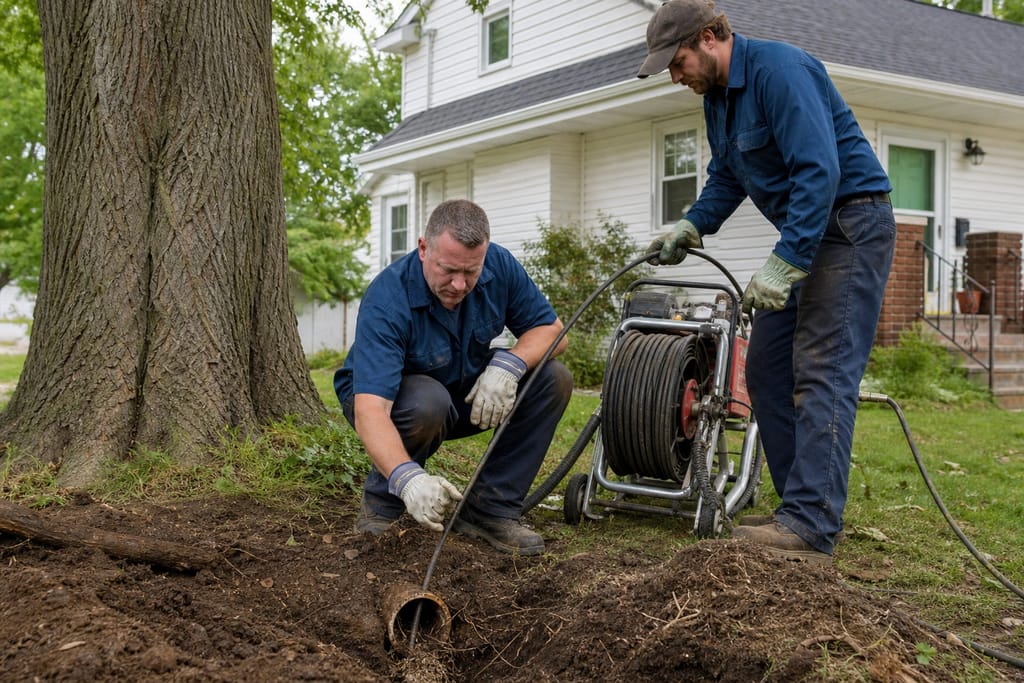
Roots don't grow into a pipe that's perfectly sealed. They find a crack, a loose joint, or an aging seam and work their way in from there. Lebanon Sewer Pros clears the roots mechanically and, where the camera shows an open joint or crack, lines or seals the entry point so they don't come right back.
That combination matters most for properties near wooded or floodplain lots, a condition that shows up around Waynesville and Caesar Creek, but applies anywhere mature trees sit close to a lateral line.
What's included
What's Included with Tree Root Removal
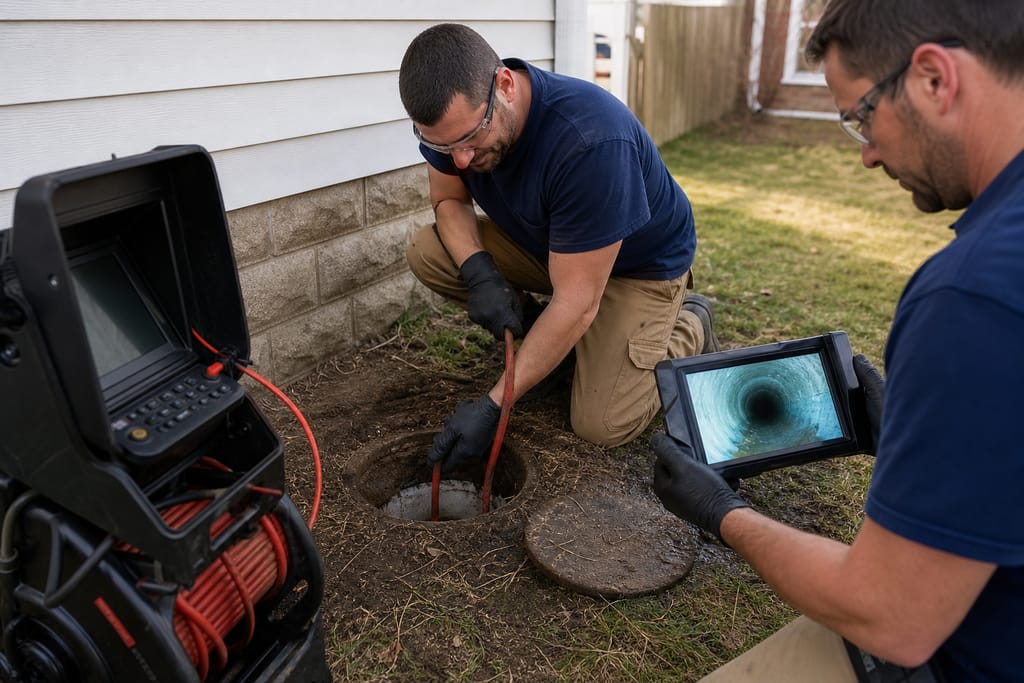
Typically included: camera locate of the root intrusion, mechanical root cutting to clear the blockage, and a follow-up camera pass to assess the entry point.
Optional: CIPP lining or spot sealing of the crack or joint that let roots in, recommended when the camera shows an open gap rather than just cut roots.
Customer prep: access to a cleanout or nearby yard area where the affected line runs.
Want a clearer scope?
Get a Free EstimateHow it works
How Our Tree Root Removal Process Works
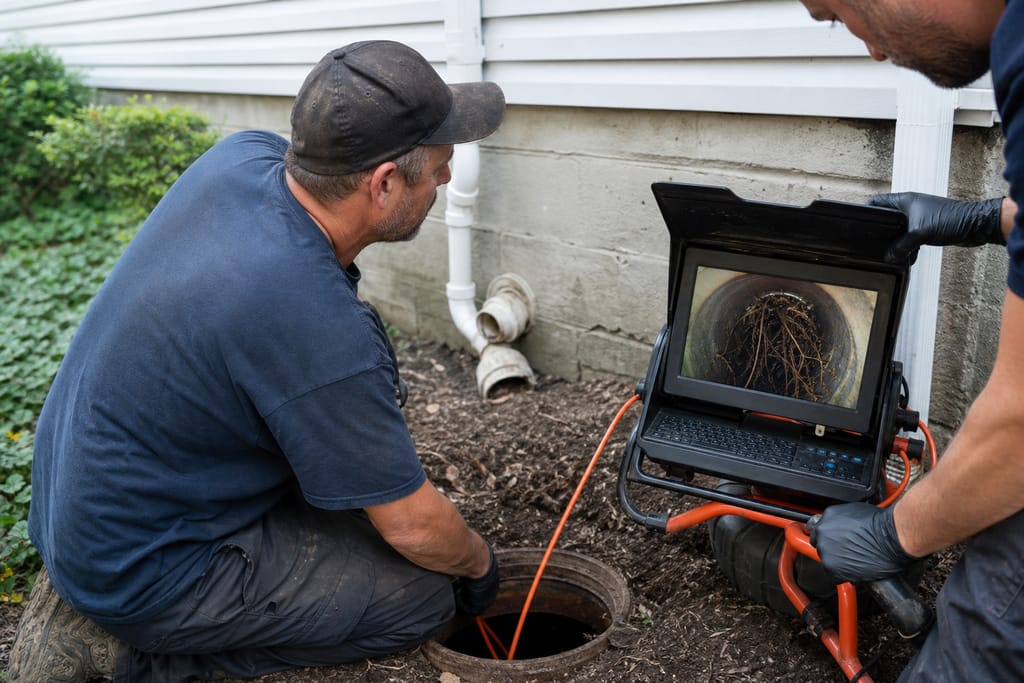 Step 1
Root Intrusion Inspection
A camera inspection confirms the presence and extent of root growth in the pipe.
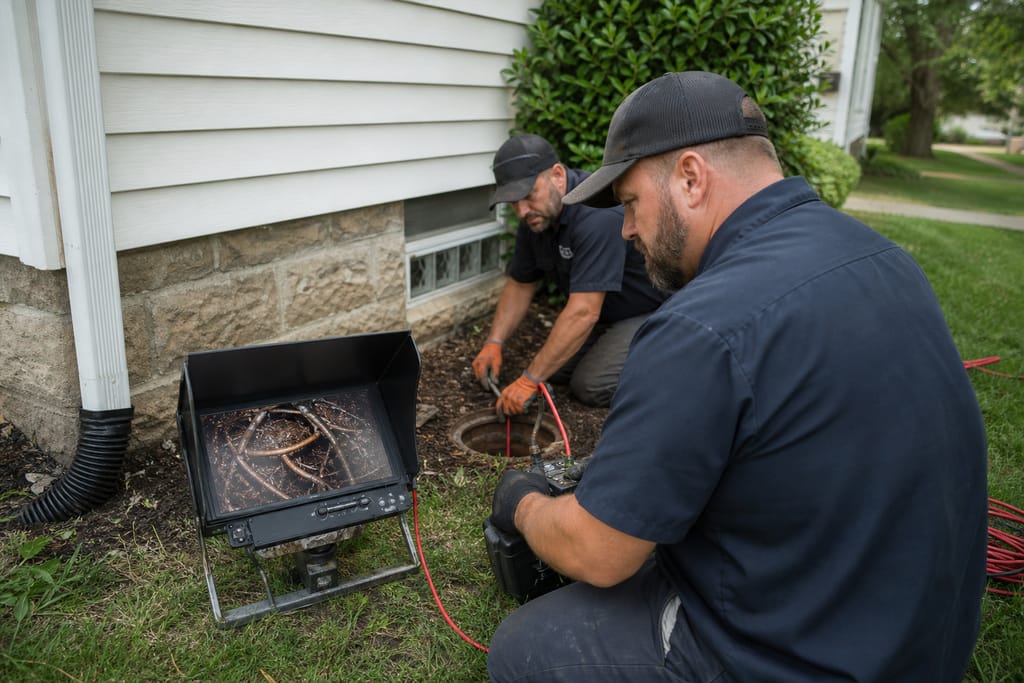 Step 2
Cutting Plan
The technician determines the best cutting method based on root density and pipe condition.
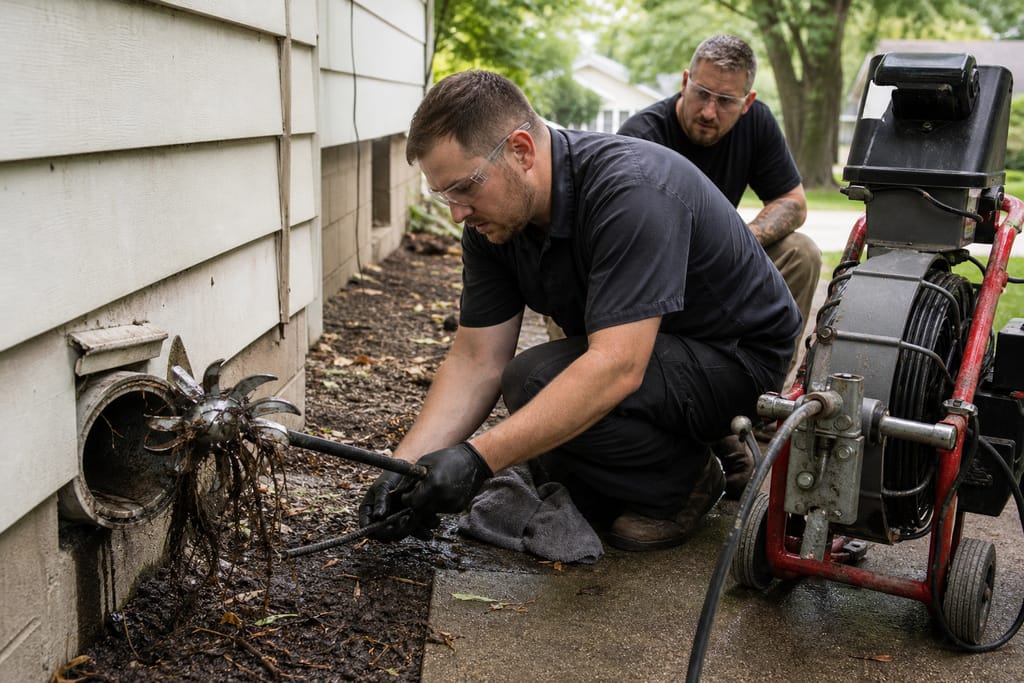 Step 3
Mechanical Root Cutting
Rotating blades or cutting heads clear roots obstructing the pipe interior.
 Step 4
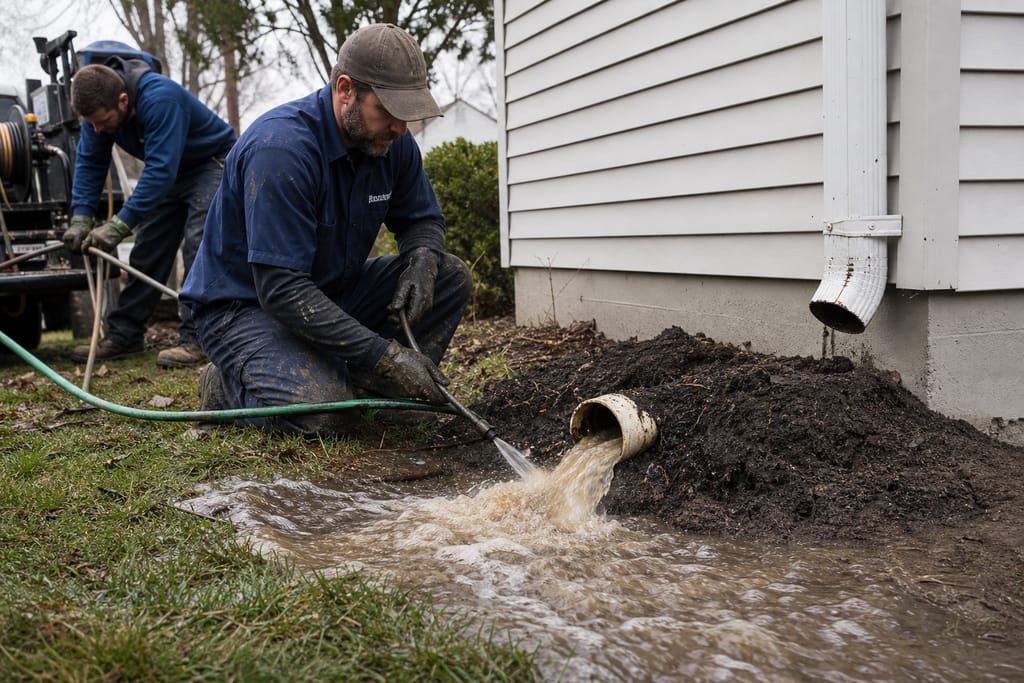
Debris Flushing
Water jetting removes cut root material and debris from the line.
 Step 5
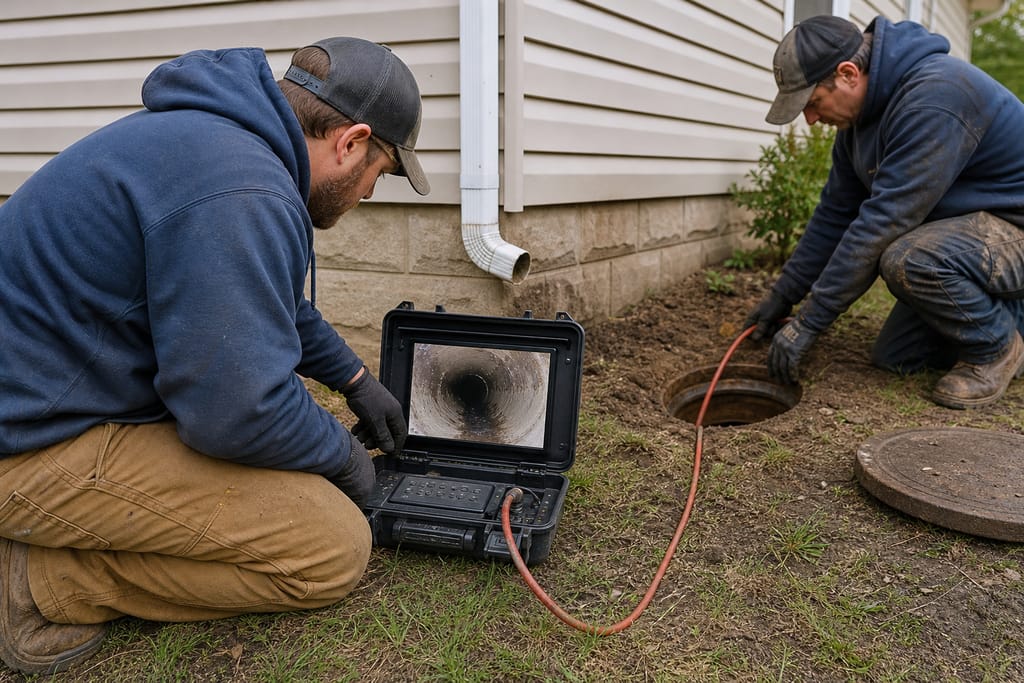
Pipe Condition Check
The pipe is inspected again to assess any remaining damage caused by roots.
 Step 6
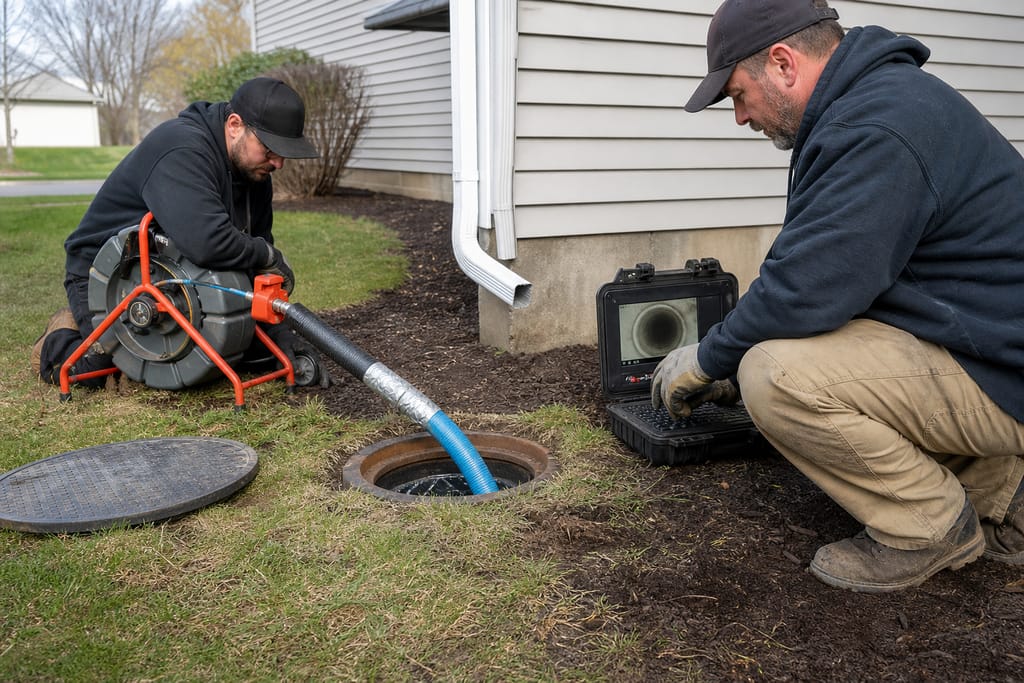
Prevention Recommendation
Long-term solutions like lining are recommended to prevent future root intrusion.
Materials
Materials and Methods for Tree Root Removal
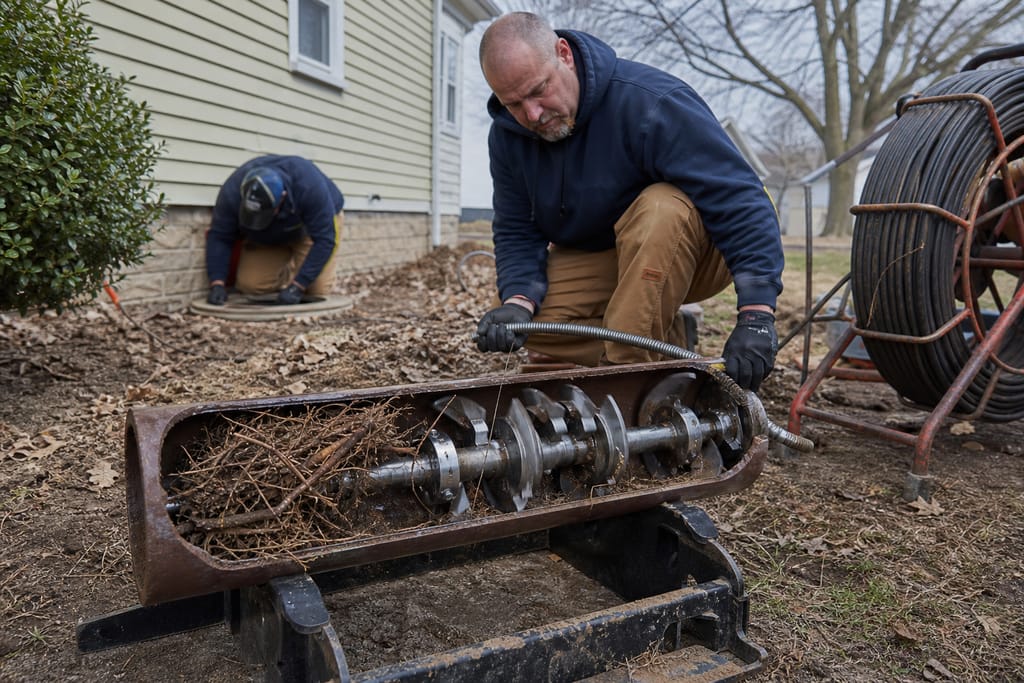
Root Cutting Blades
Sharp rotating blades slice through roots without damaging the pipe wall, even in tight older clay sections.
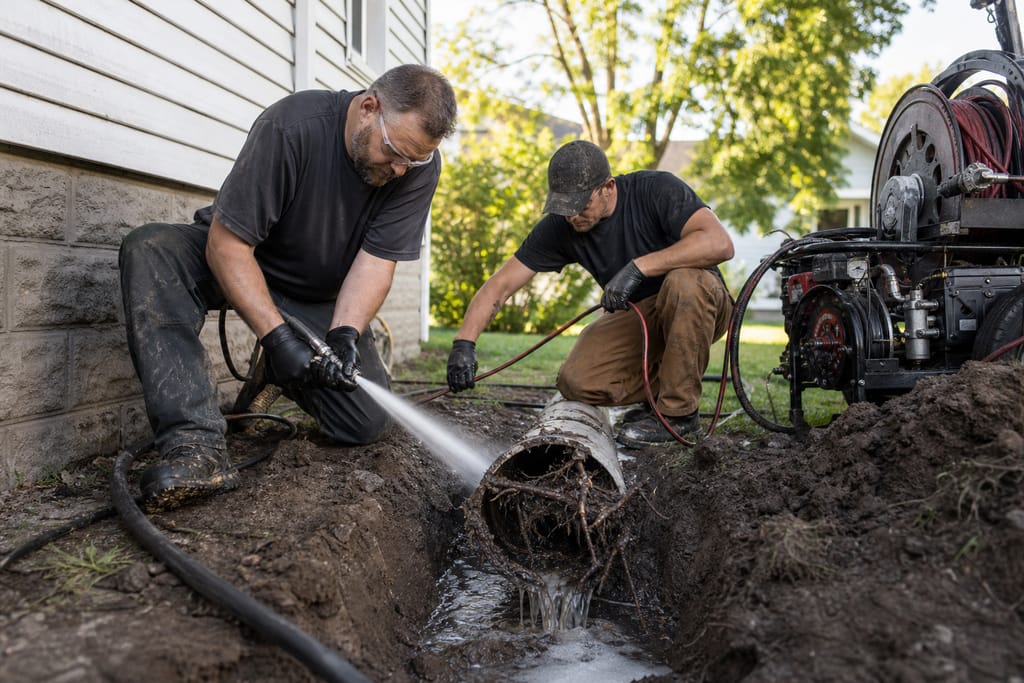
Hydro Jetting Equipment
High-pressure water jets clear remaining root debris after cutting, important near floodplain-adjacent lots with heavier sediment.
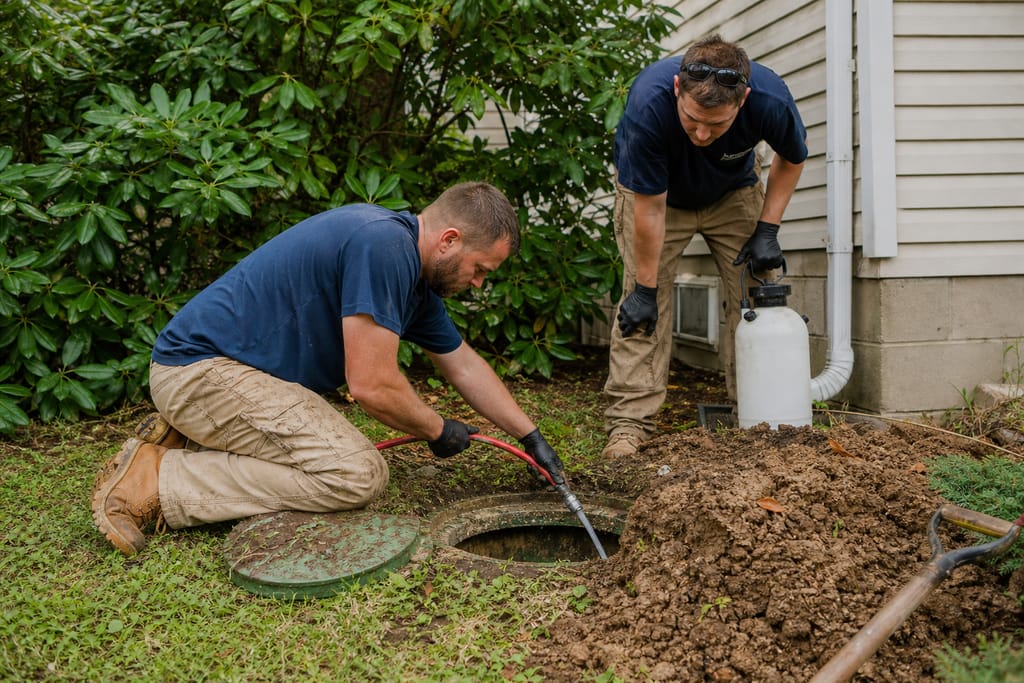
Root-Inhibiting Treatments
Chemical treatments help slow future root growth inside the pipe between service visits.
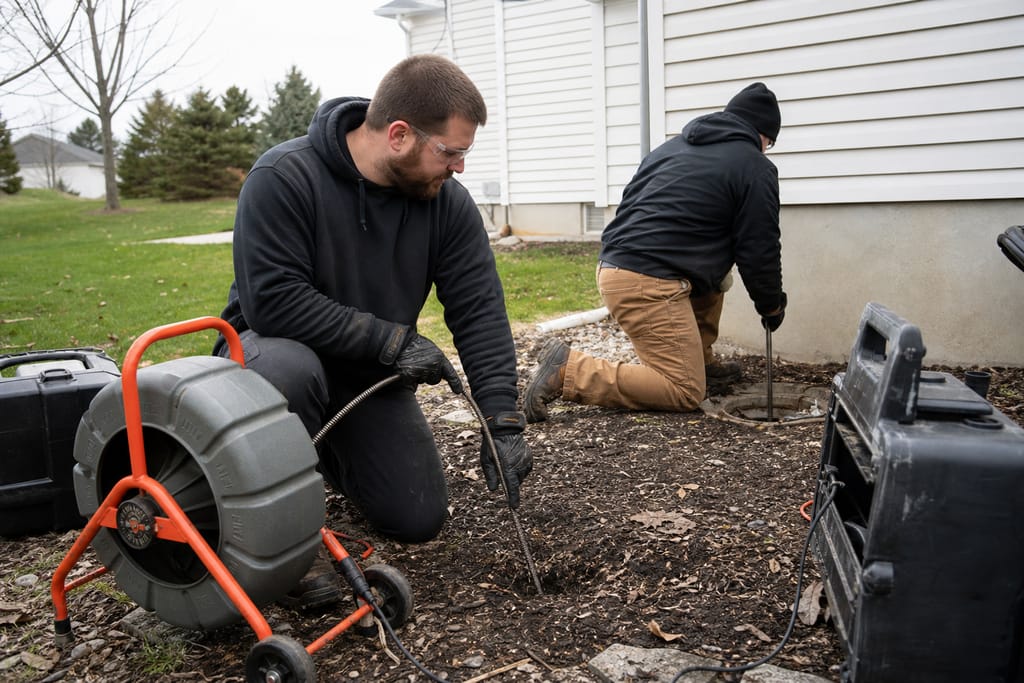
Flexible Cutting Cables
Cables guide cutting heads through bends common in older residential lateral runs.
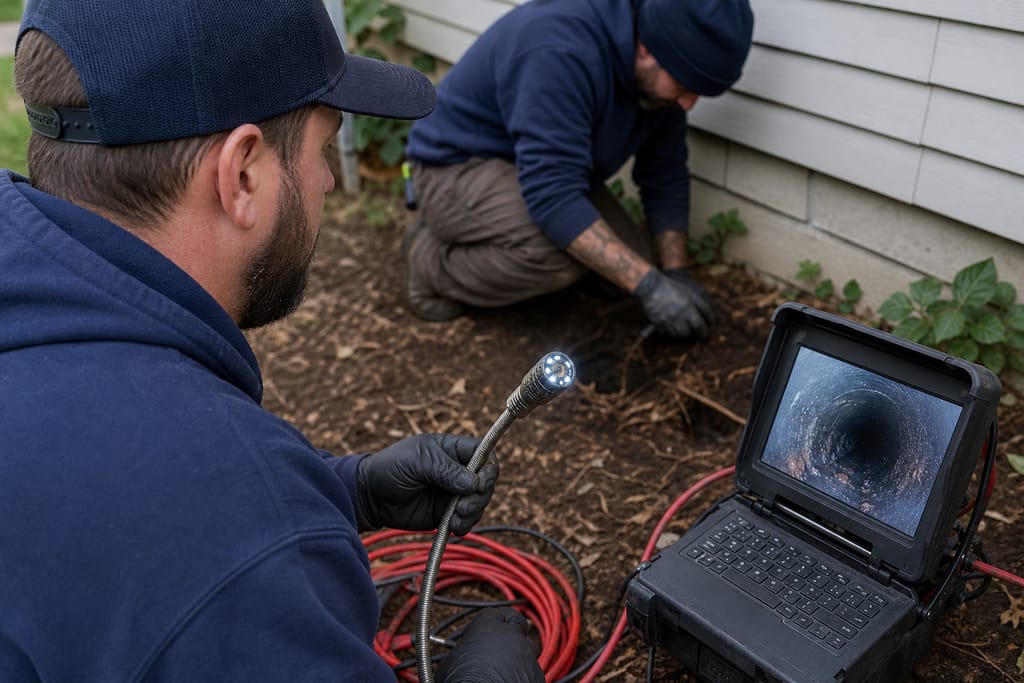
Inspection Camera Tools
Cameras confirm root removal and check for underlying pipe damage once cutting is done.
Protective Pipe Coatings
Coatings add a barrier that helps resist future root intrusion at the entry point.
Questions on materials?
Get a Free EstimateTimeline
How long does a Tree Root Removal take?
- 01
Camera locate
same visit.
- 02
Mechanical cutting and flush
1–3 hoursdepending on severity.
- 03
Follow-up camera check
same visit.
- 04
Lining if added
additional half-day.
Need a schedule that fits?
Get a Free EstimateBefore & after
Before and After Tree Root Removal
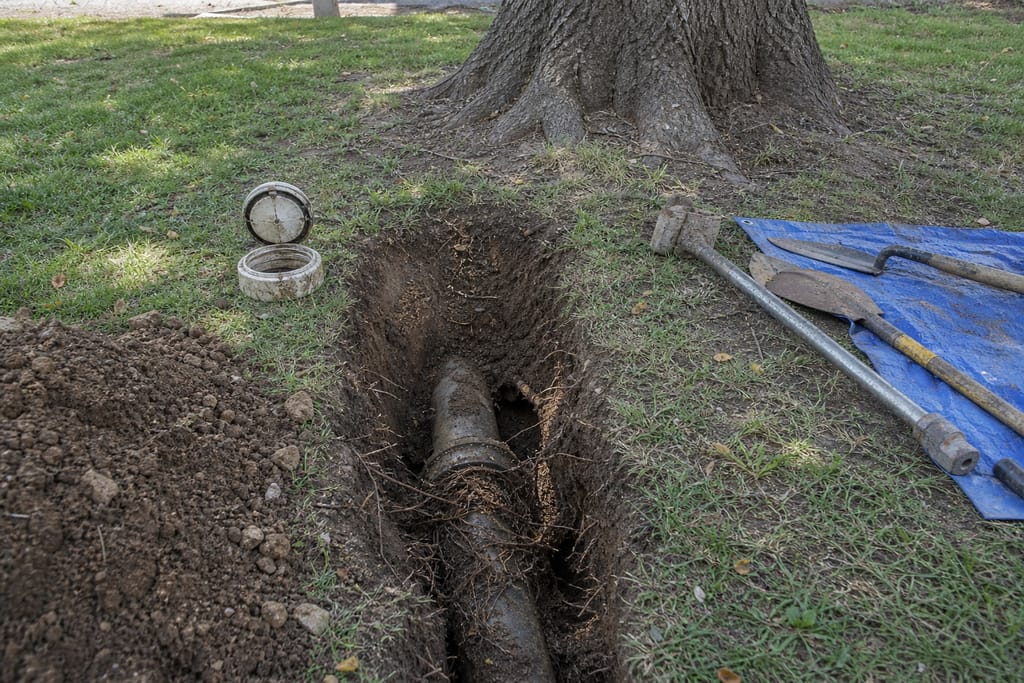
Before 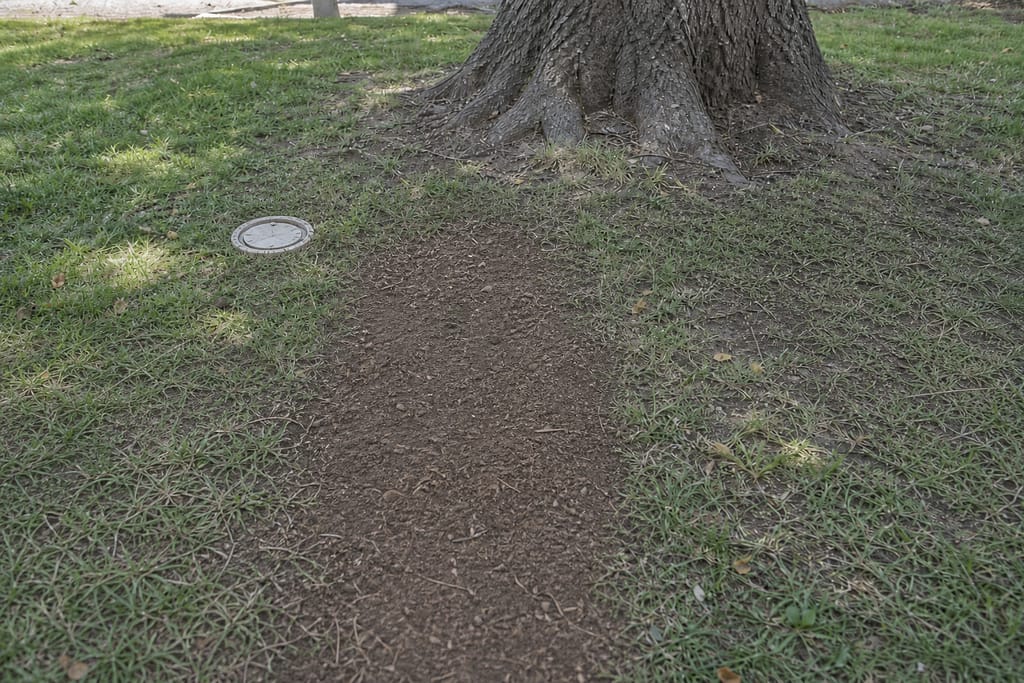
After
FAQs
Tree Root Removal FAQs
Will tree roots come back after CIPP lining?
Lining seals the crack or gap roots were using to get in, which generally stops regrowth at that spot. Roots can still find other weak points elsewhere in an aging line, so recurring issues sometimes point to a wider lining job.
Do I need a permit for root removal?
Mechanical root cutting on its own typically doesn't require a permit since it's maintenance work on a private lateral. If it's paired with lining work at the main tie-in, a permit may apply.
How often does a line need root clearing?
It depends on tree proximity and pipe condition; some properties need clearing every year or two, others rarely. A camera inspection after cutting gives a clearer read on whether lining is worth adding.
Is DIY root removal realistic?
Store-bought foaming treatments can slow growth temporarily but don't address the crack letting roots in, so the problem tends to return. Mechanical cutting with proper equipment, paired with sealing the entry point, is the more lasting approach.
Can roots cause a pipe to collapse?
Dense, long-term root growth can distort or crack a pipe enough that bursting becomes the better fix over lining. A camera inspection tells us which situation you're in before we recommend anything.
Next step
Get a Tree Root Removal Estimate in Lebanon
Slow drains that get worse every season usually point to roots. Call +1 (513) 496-2527 or request a free estimate to get it cleared and sealed.
More services
Other Trenchless Sewer Repair services
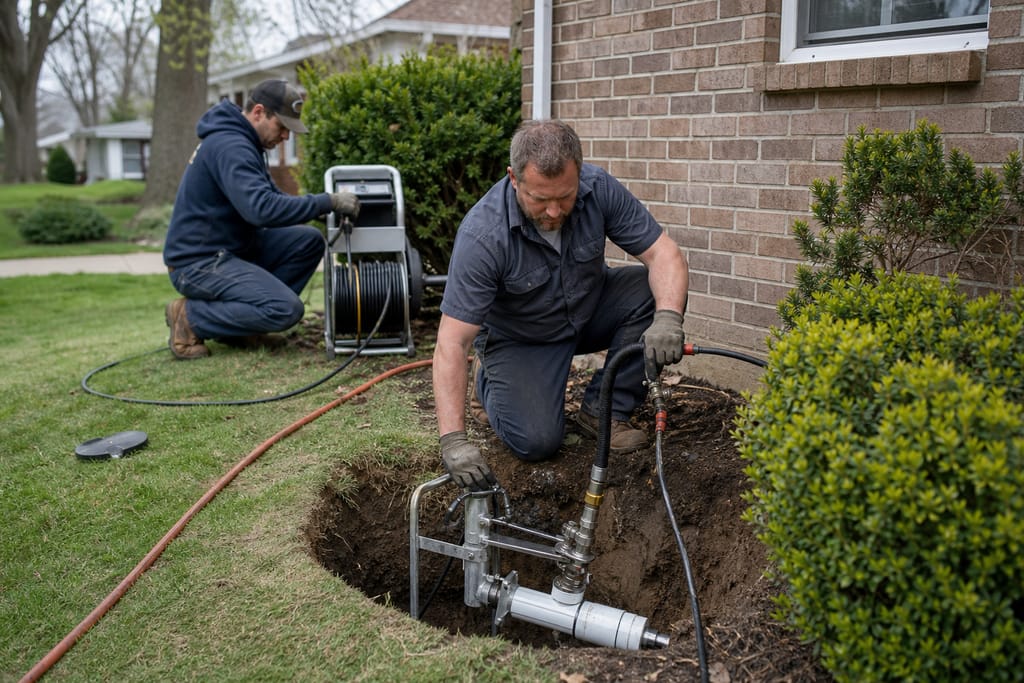
Trenchless Sewer Repair
Trenchless Sewer Repair in Lebanon, OH: CIPP lining, pipe bursting, camera-first diagnosis, free estimates.
Sewer Line Repair
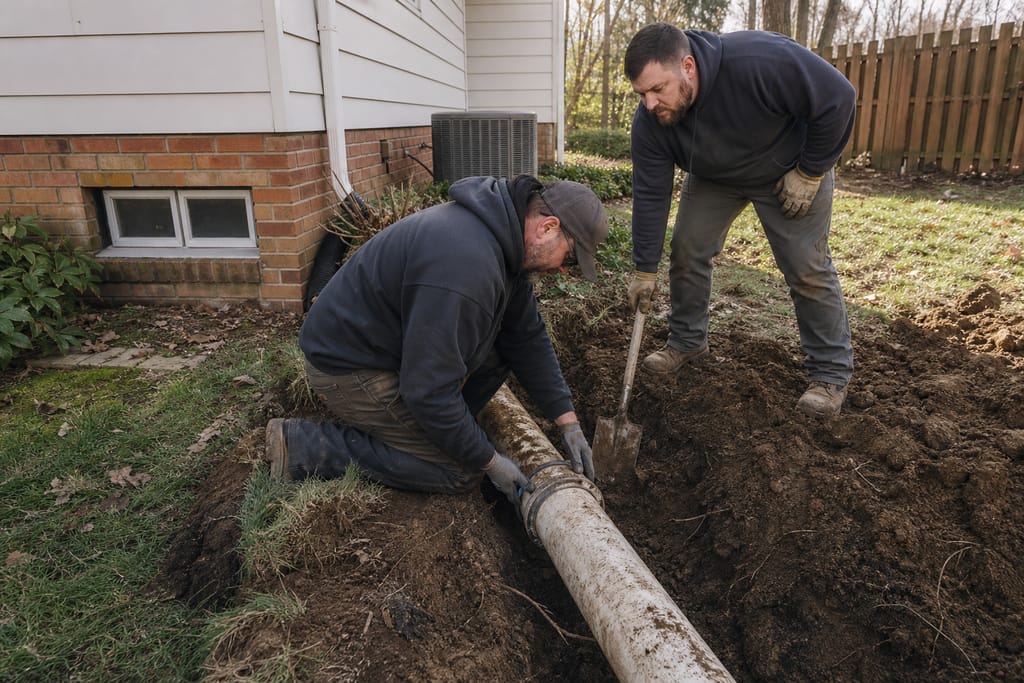
Sewer line repair in Lebanon, OH using trenchless spot repair methods. Camera-verified diagnosis and free estimates on every job.
CIPP Pipe Lining
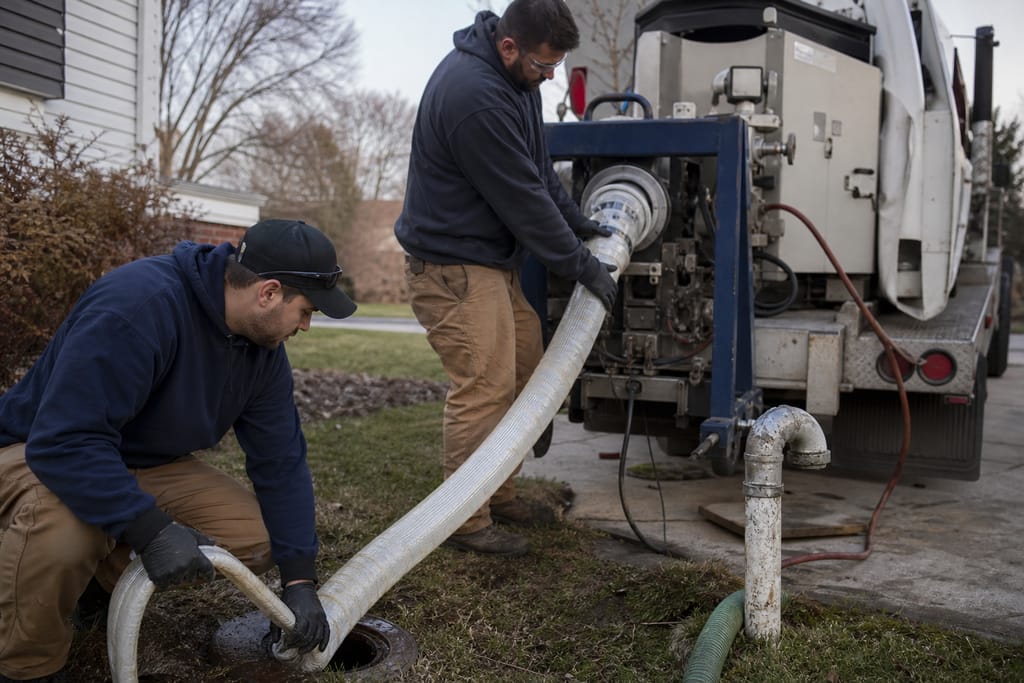
CIPP Pipe Lining in Lebanon, OH: resin liner installed through small access points, no trench, free estimates.
Ask about Tree Root Removal (Sewer Lines)
Tell us about the project and how to reach you.